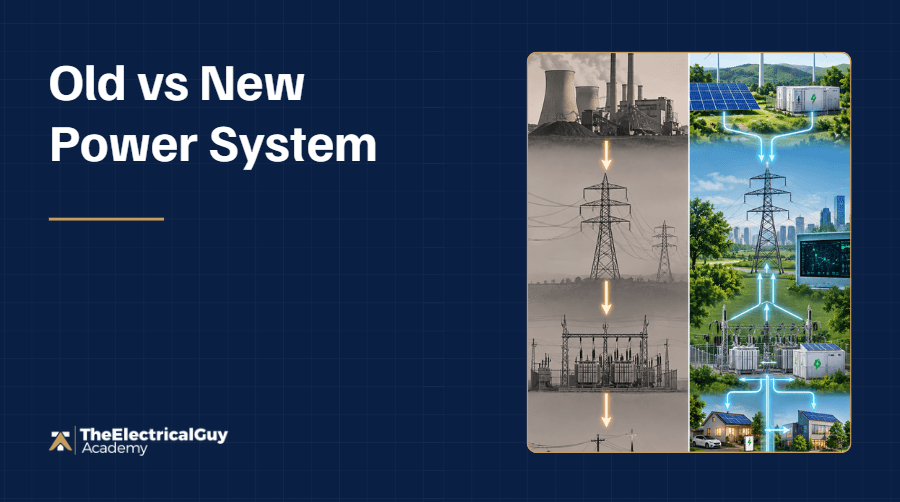
The traditional power system was built on three pillars, generation, transmission, and distribution, arranged as a simple one-way flow of power. The modern power system has added a fourth pillar, energy storage, made necessary by the shift toward decentralized, renewable-heavy generation and the resulting two-way power flow that the old structure was never designed to handle.
The classic power system diagram in every textbook shows electricity moving in one direction: generation, transmission, distribution.
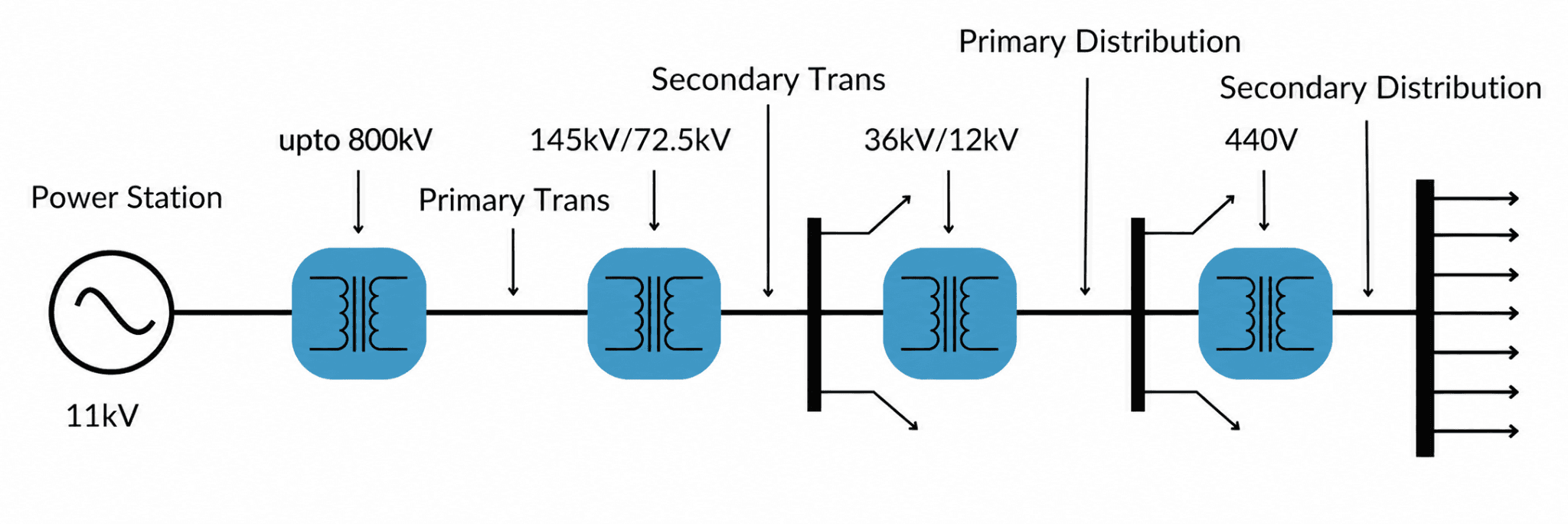
That diagram made complete sense for decades. Today, it's already outdated. Let's look at why the old structure worked so well for so long, why it broke down, and what's been added to replace it.
What Are the Three Traditional Pillars of a Power System?
The traditional power system rests on three pillars: generation at large power stations, transmission over long distances, and distribution down to individual consumers.
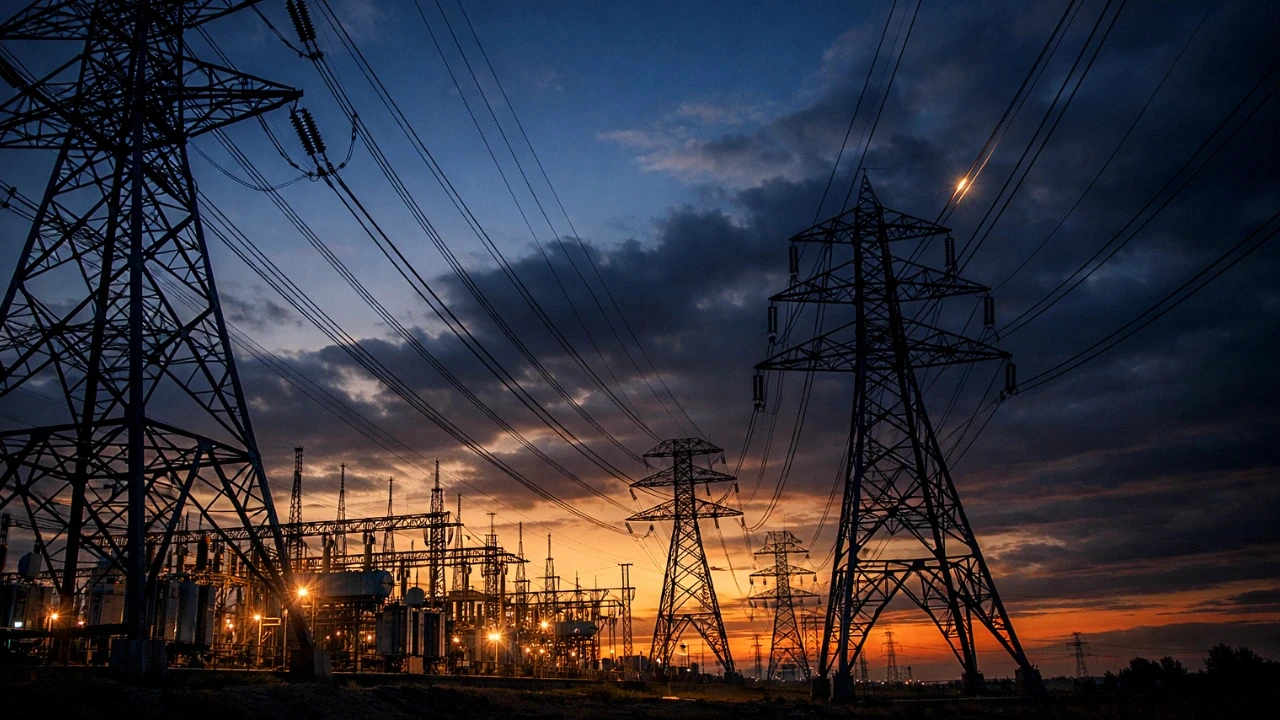
Bulk electricity was generated at conventional sources, thermal, hydro, or nuclear plants, often at MW to GW scale, then transmitted long distances before being stepped down and distributed to consumers. This structure gave operators clear, predictable visibility: everyone knew where power came from and where it was going, in a firm, one-way flow.
Why Did the Traditional Power System Work So Well for So Long?
The traditional structure worked well because its simplicity gave operators complete predictability: a rigid, centralized system where generation output and transmission capacity could be planned and tracked with confidence.
That predictability is exactly what made the system reliable for hundreds of years, but it also came with real, persistent drawbacks.
What Were the Drawbacks of the Traditional Power System?
The traditional power system's core weaknesses were environmental impact, resource dependency, low efficiency, and limited flexibility from centralized generation.
Environmental impact — conventional thermal and nuclear sources generate significant byproducts and environmental cost.
Resource dependency — coal-based thermal plants depend on continuous coal supply and large water resources; hydro plants require large water sources and significant land and ecological disruption. A resource shortage directly halts generation.
Low efficiency — thermal power plants typically operate at only around 40–50% efficiency.
Limited flexibility — centralized generation inherently limits how flexibly the system can respond to changing conditions.
Why Are Countries Shifting Toward Renewable Energy?
Countries are shifting toward renewable energy specifically to reduce environmental impact and dependency on conventional sources like thermal and nuclear generation, with more than 170 countries committing to renewable energy targets for 2030. India, for example, has set a target of 500 GW of installed renewable capacity.
Renewable energy's core appeal is straightforward: no pollution, no environmental trade-off in operation, which is why the shift has gained so much global momentum.
What Changes When Renewable Energy is Added to the Grid?
Adding renewable energy fundamentally changes the grid's structure from centralized, one-way power flow to a decentralized system with multiple power sources feeding in at different points, including the transmission network, the distribution network, and even individual homes with rooftop solar sending power back to the grid.
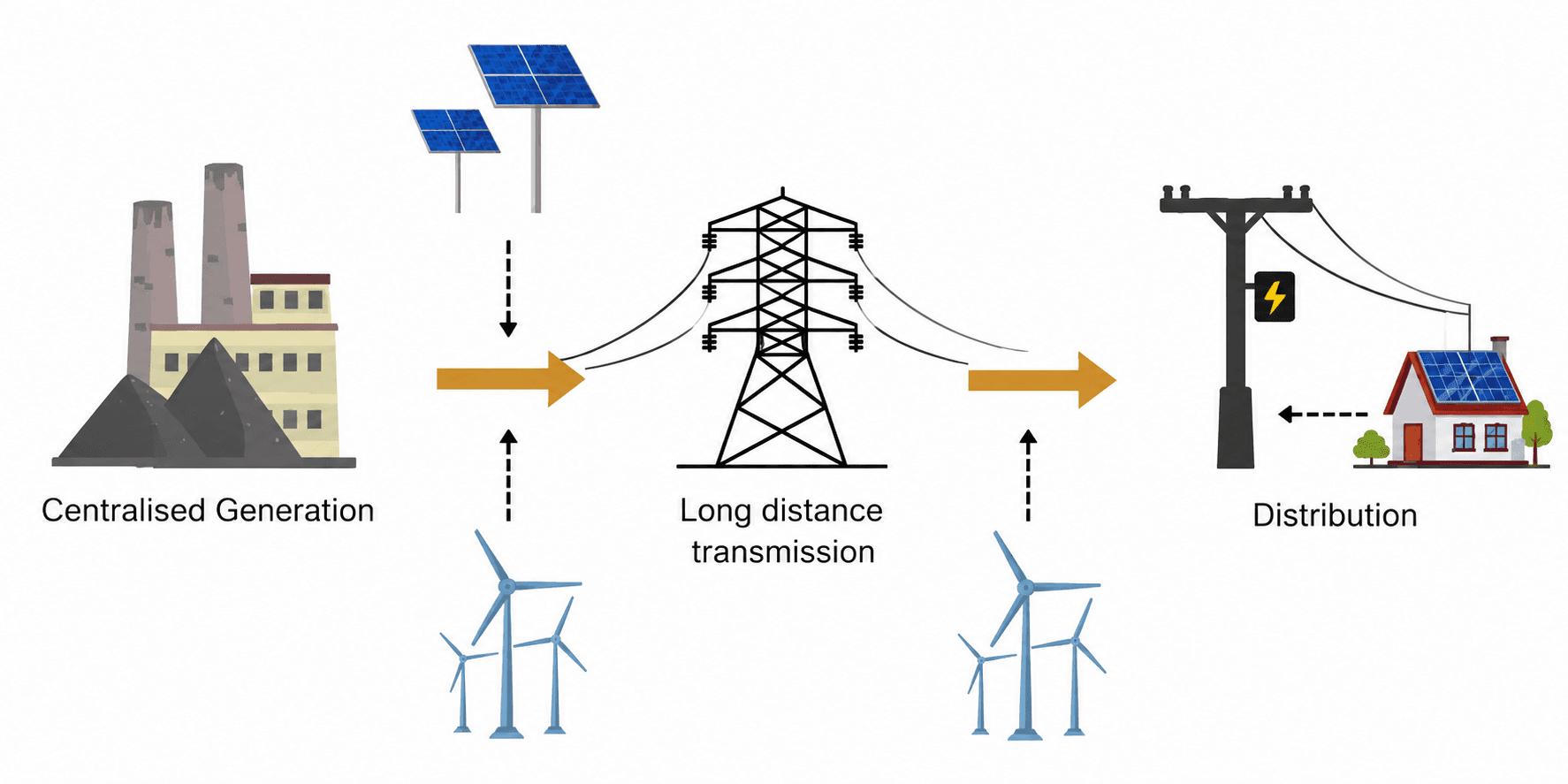
The traditional power system was designed to accept power only from centralized generation in one direction. A grid where power now flows both ways changes how the system is operated, how voltage is controlled, and much more.
What Challenges Come With a Renewable-Heavy Grid?
A renewable-heavy grid faces three core technical challenges: unpredictable output, lack of reactive power support, and loss of system inertia, all functions that conventional generators previously provided by default.
Why is Renewable Output Unpredictable?
Renewable output depends directly on weather conditions, sunlight for solar, wind for wind power, and it can drop to zero exactly when demand peaks, such as in the evening when solar output disappears just as electricity demand rises.
Why Does Reduced Reactive Power Support Matter?
Conventional generators used to supply the reactive power needed for voltage control across the system. Inverters and other power electronics used in renewable generation generally can't provide that same reactive power support, creating a gap in voltage control capability as renewable penetration increases.
Why Does Losing Generator Inertia Matter?
Conventional generators provide inertia, the kinetic energy stored in a rotating generator's rotor, which keeps the rotor turning briefly even after a generator failure, buying the system time to recover from a sudden load loss or frequency drop. As dependency shifts toward inverter-based renewable sources, that natural inertia buffer diminishes, creating a real stability challenge.
What is the Fourth Pillar of the Modern Power System?
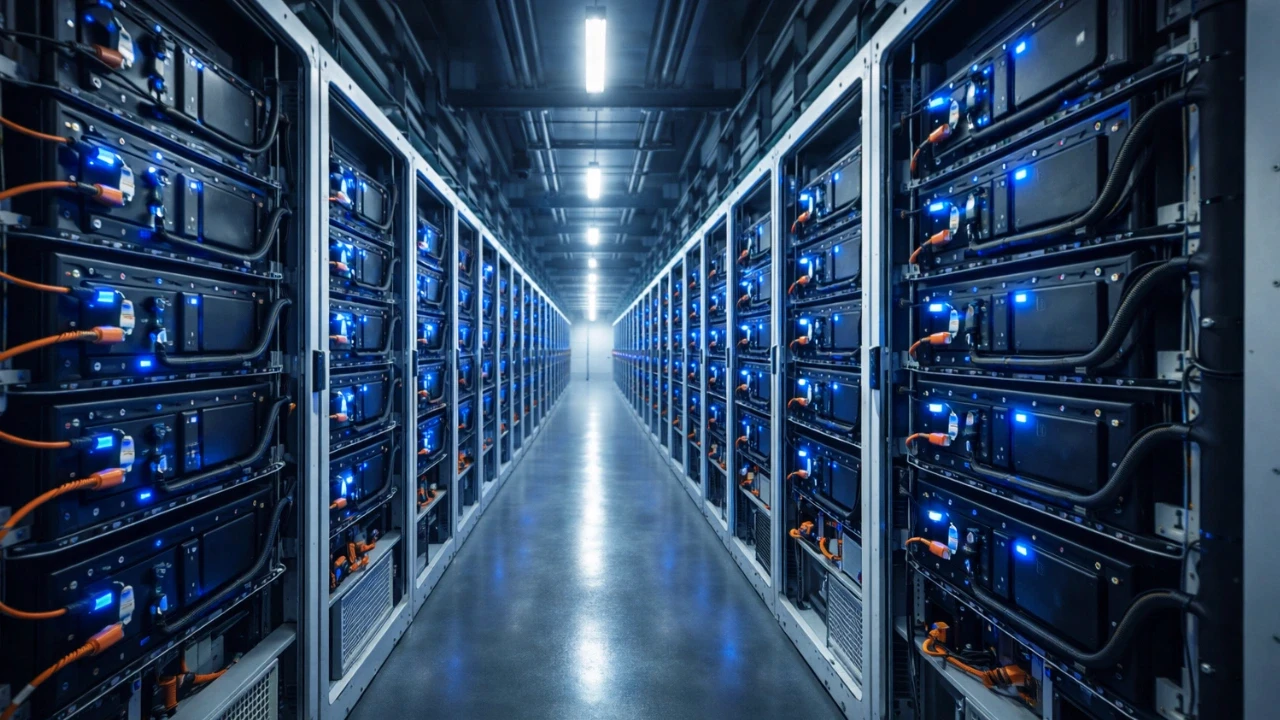
Energy storage is the fourth pillar of the modern power system, added specifically to solve the output unpredictability, reactive power gap, and inertia loss that come with a renewable-heavy grid.
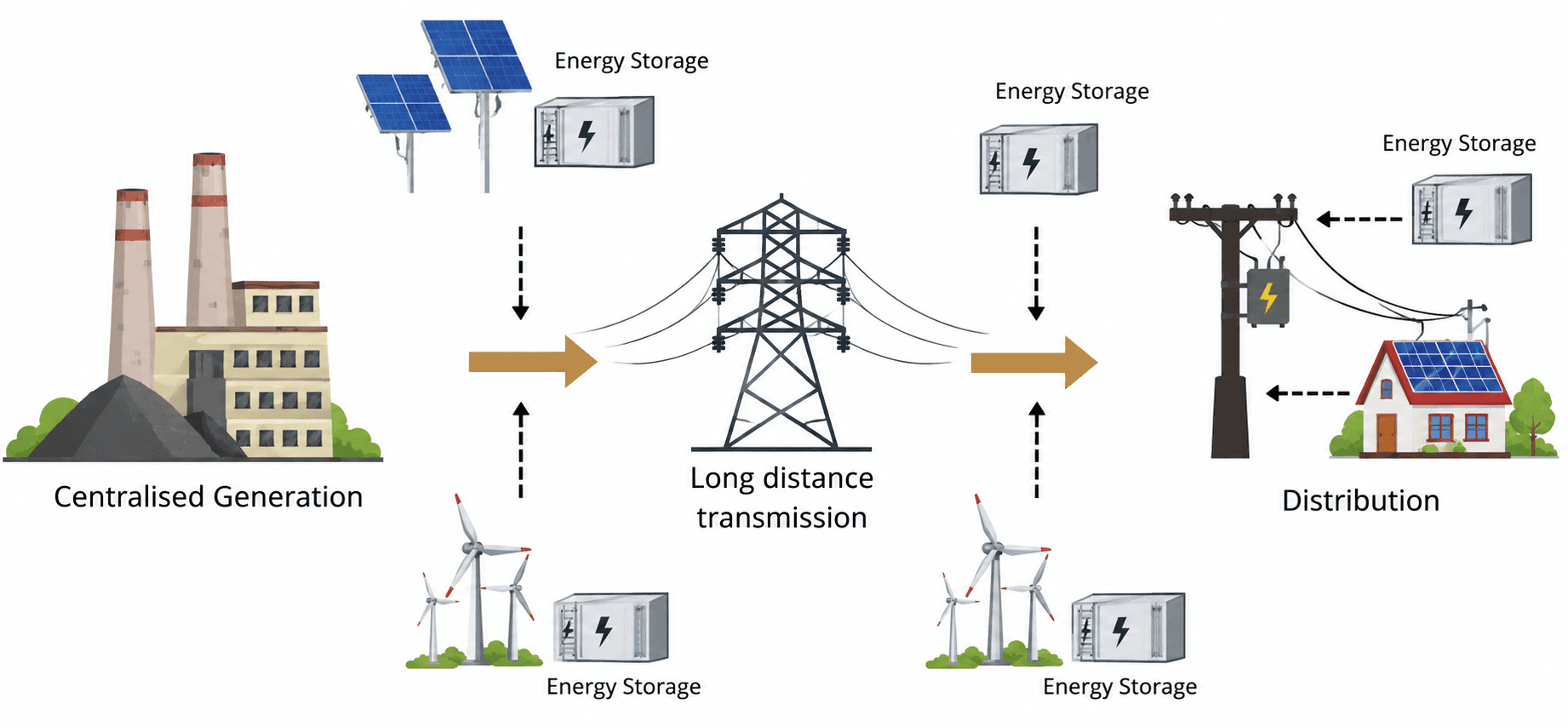
Without energy storage, a sustainable, stable renewable-heavy grid isn't achievable. Energy storage isn't a new concept, pumped hydro has stored large amounts of energy for decades, but its importance is now accelerating rapidly, with countries setting explicit storage capacity targets. Battery Energy Storage Systems (BESS) are currently one of the most prominent storage technologies gaining momentum, including specific national targets like India's BESS capacity goal for 2030.
How Does Energy Storage Solve These Challenges?
Energy storage solves renewable grid challenges by storing excess generation and releasing it back to the grid exactly when output drops, stabilizing renewable output and enabling functions like black start and frequency regulation.
Energy storage can be installed alongside solar plants, at various points in the transmission and distribution network, or even alongside thermal power plants. When solar output drops, stored energy from a BESS can be released to the grid immediately, smoothing out the exact instability renewable sources introduce. If you want to go deeper on this technology specifically, the 4-Week BESS Bootcamp for Engineers course covers it end to end.
How is the Distribution Grid Itself Changing?
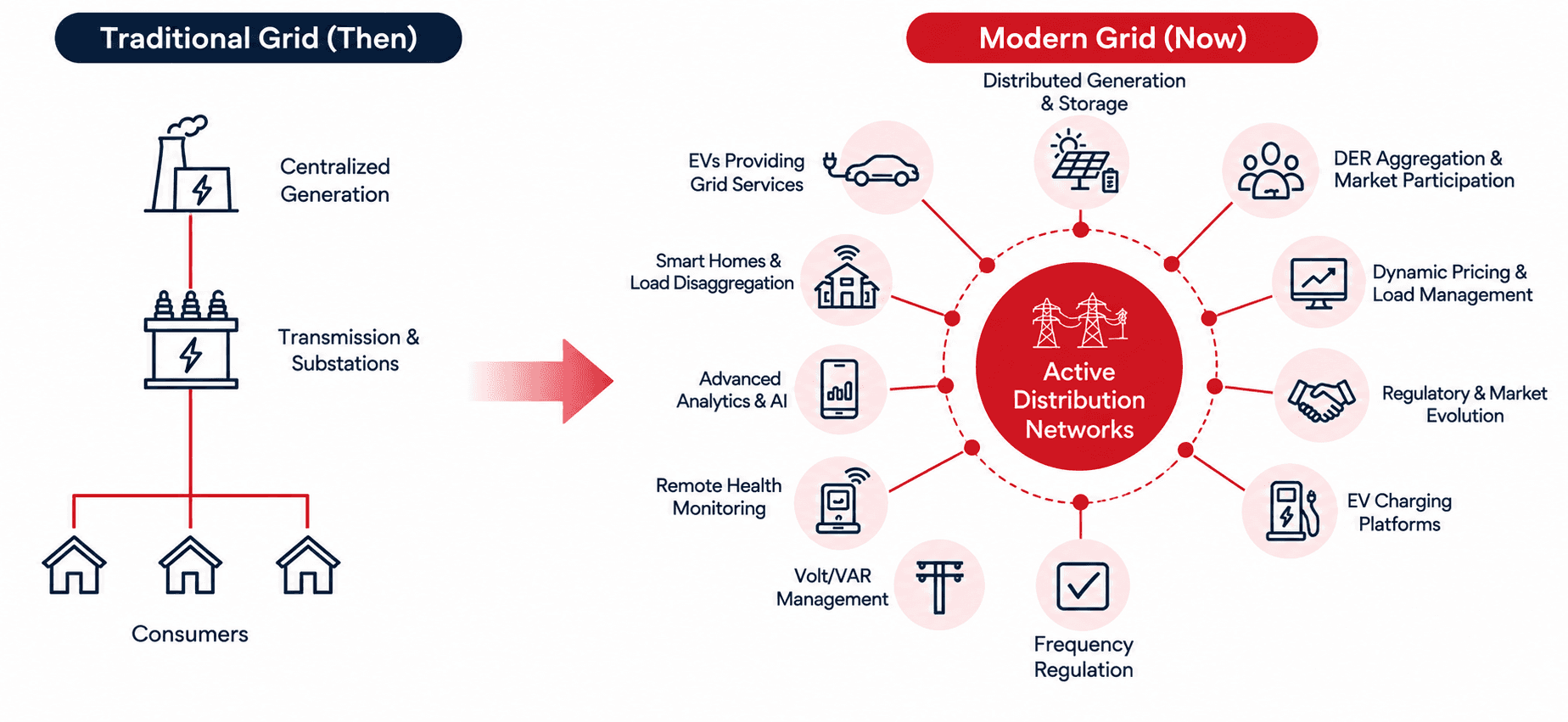
The distribution grid is shifting from one-way power delivery to a dynamic, two-way, data-driven active grid, driven by rising loads like data centers and EV charging, along with new capabilities like EVs feeding power back into the grid.
This shift demands a different kind of infrastructure: modern switchgear, real-time data, and remote monitoring, none of which the conventional distribution grid was originally built around.
Old vs New Power System — Quick Comparison
Aspect | Traditional Power System | Modern Power System |
Pillars | Generation, transmission, distribution (3) | Generation, transmission, distribution, energy storage (4) |
Generation model | Centralized (bulk thermal, hydro, nuclear) | Decentralized (renewables integrated at multiple points) |
Power flow direction | One-way | Two-way (dynamic, data-driven) |
Predictability | High (planned, stable output) | Lower for renewable sources, requires storage to stabilize |
Reactive power support | Provided by conventional generators | Gap created by inverter-based sources |
System inertia | Provided naturally by rotating generators | Reduced with inverter-based generation |
Distribution grid role | Passive delivery to consumers | Active, data-driven, two-way (EVs, rooftop solar, storage) |
FAQ
What is the fourth pillar of the modern power system?
Energy storage, most prominently Battery Energy Storage Systems (BESS), added to stabilize a renewable-heavy grid against unpredictable output, reduced reactive power support, and reduced system inertia.
Why can't renewable energy simply replace conventional generation without energy storage?
Renewable output is weather-dependent and can drop to zero exactly when demand peaks, and renewable inverters generally can't provide the reactive power or inertia that conventional generators supplied naturally. Energy storage is what fills those gaps.
Why does two-way power flow change how the power system operates?
The traditional grid was designed to accept power only from centralized generation in one direction. Two-way flow, from rooftop solar or EVs feeding power back to the grid, requires different voltage control, monitoring, and operational approaches entirely.
What's the difference between output unpredictability and loss of inertia in a renewable grid?
Output unpredictability refers to renewable generation dropping due to weather (no sun, no wind). Loss of inertia refers to the reduced kinetic energy buffer that conventional rotating generators used to provide, which helped the system ride through sudden disturbances. Both are separate challenges that energy storage helps address.
Why is the distribution grid facing new challenges specifically?
Rising loads from data centers and EV charging, combined with new two-way capabilities like EVs and rooftop solar feeding power back to the grid, require modern switchgear, real-time data, and remote monitoring that the traditional passive distribution grid wasn't built for.
Conclusion
The power system's textbook diagram, generation, transmission, distribution, described a simple, predictable, one-way structure that served reliably for decades. Environmental and resource pressures pushed a global shift toward renewable energy, but renewable generation introduced unpredictable output, lost reactive power support, and reduced system inertia, problems the old structure was never built to solve. Energy storage has emerged as the necessary fourth pillar, and the distribution grid itself is evolving into an active, two-way, data-driven system to match.
For the full explanation with visuals, watch the complete video on the TheElectricalGuy YouTube channel.
Watch the Youtube Video

About Author
Gaurav Joshi
Gaurav started his career on the floor of the electrical industry — not in a classroom. Working across Siemens and Schneider Electric, he saw firsthand how wide the gap was between what colleges teach and what the industry actually needs.
So he did something about it.
Today, he's built a global community of 300,000+ engineers and professionals across YouTube and beyond — and TheElectricalGuy Academy is where that knowledge lives in its most structured, practical form.