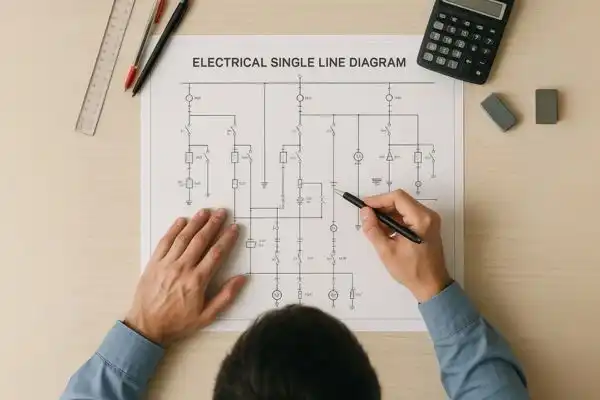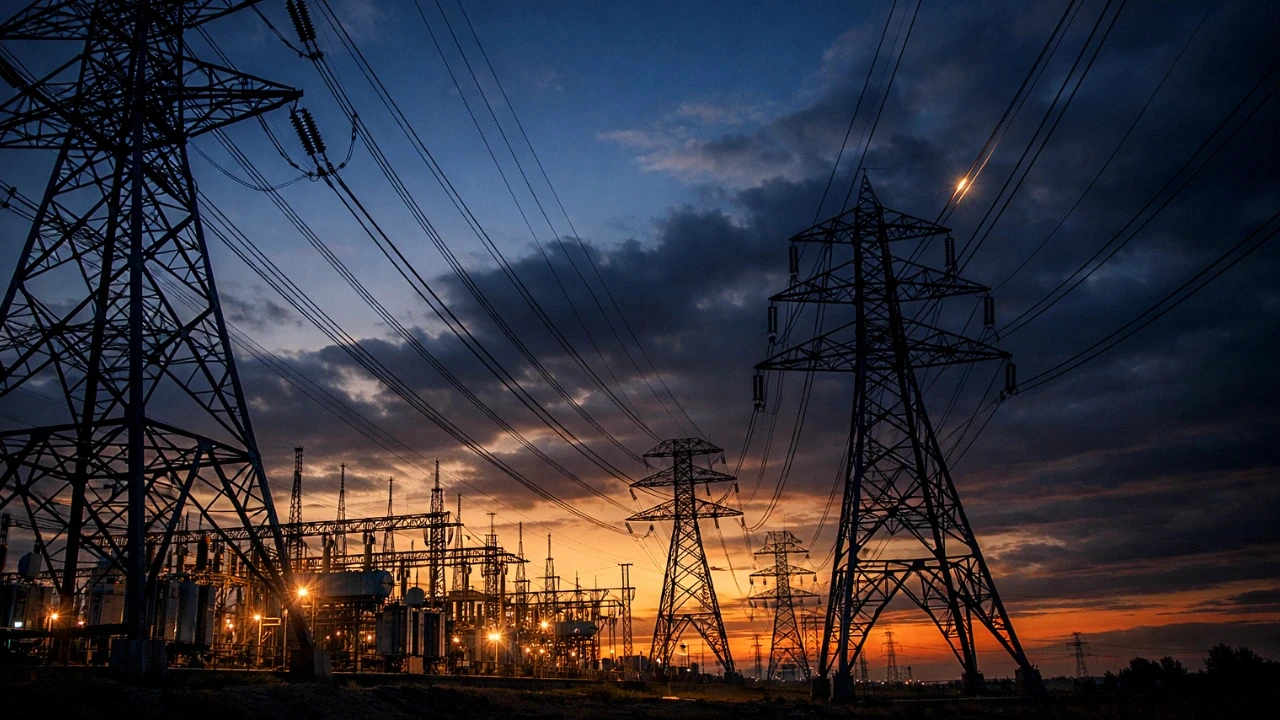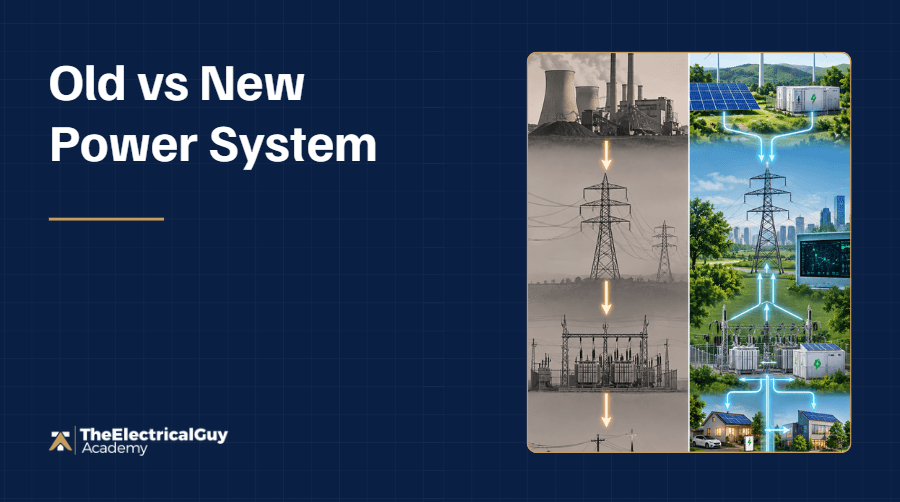

A substation relies on five vital electrical clearances: phase-to-phase, phase-to-earth, phase-to-ground, safety distance vertical, and safety distance horizontal. Each one maintains the air insulation strength or protects personnel, and all five increase with voltage level and vary by country-specific standards.
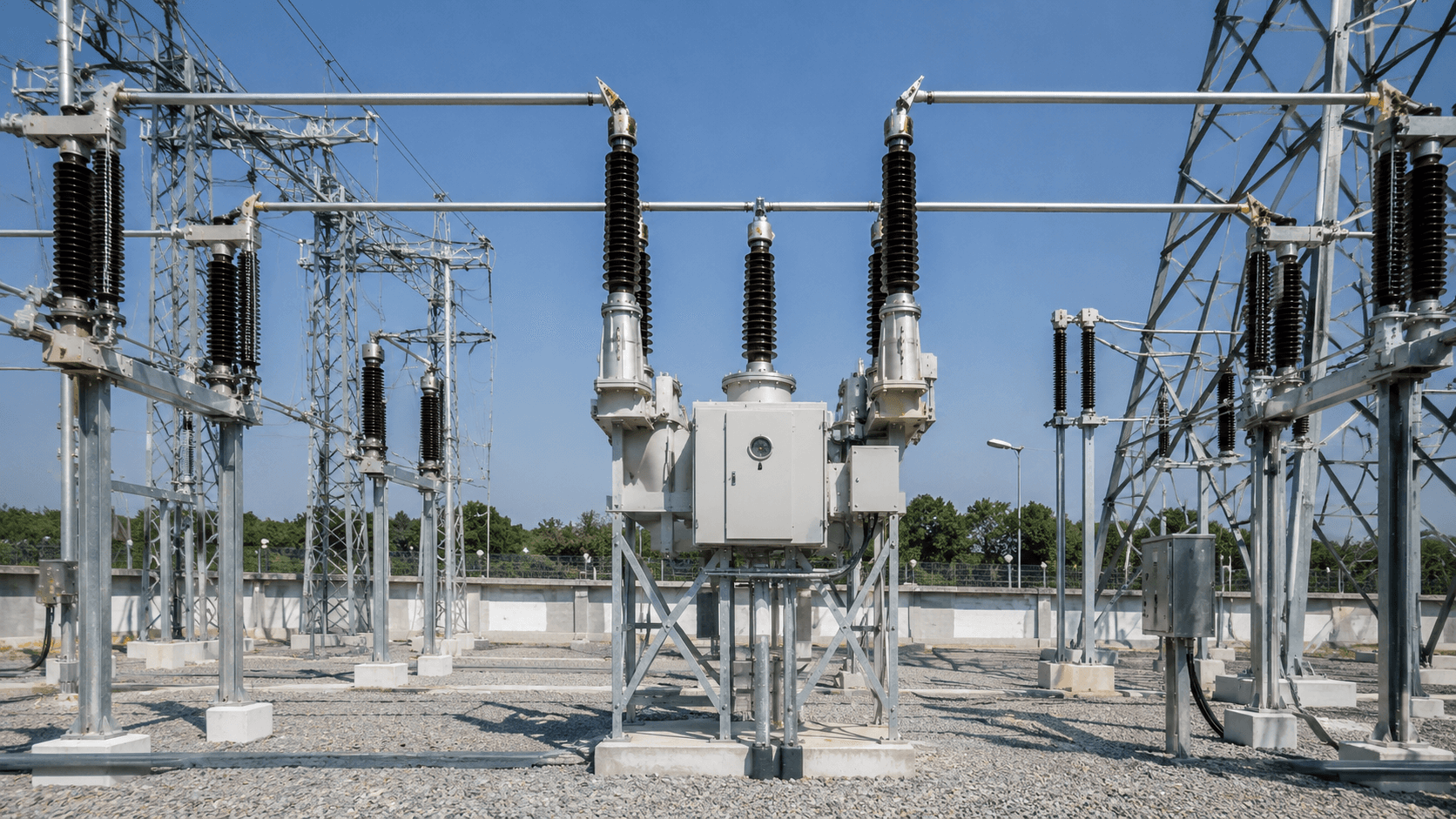
You can't test a substation's insulation strength the way you'd test other equipment, by simply applying a test voltage across it in the field. Instead, air-insulated substations rely on maintaining significant physical clearances to preserve insulation properties. Get these wrong, and you risk insulation failure, arcing, or a serious safety incident for anyone working nearby.
Across the air-insulated substations I've worked on, these five clearances are the fundamentals every substation designer has to get right. They vary with voltage rating and are defined in international standards like IEC, but local guidelines in each country also influence them, so there's no single global number to memorize.
Let's go through each one.
What is Phase-to-Phase Clearance?
Phase-to-phase clearance is the metal-to-metal air distance from one phase of a circuit to another phase.
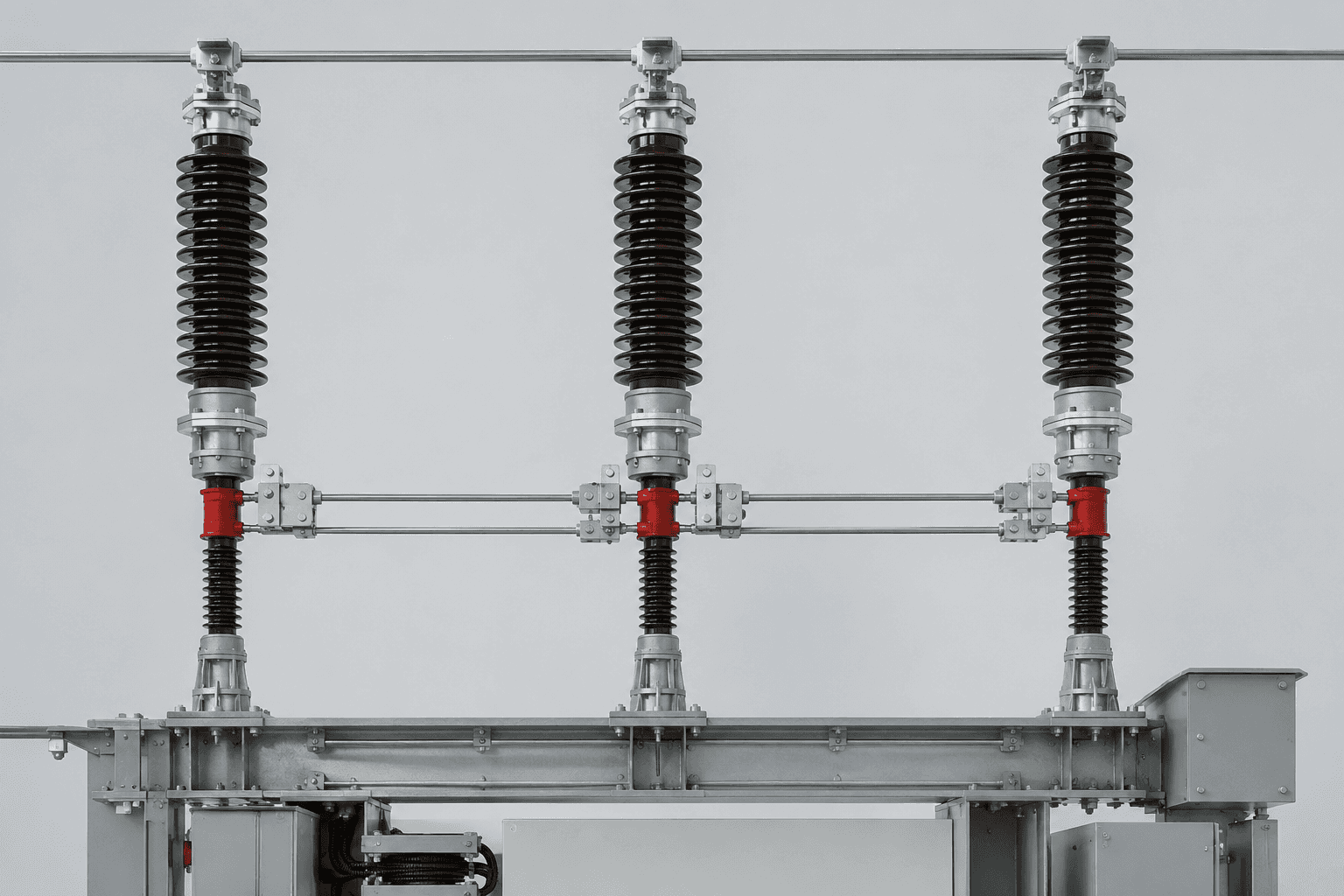
On a three-phase circuit breaker, this is the distance between the R and Y phase terminals, or between Y and B phase terminals, generally measured from the center of the equipment. This distance matters because a potential difference exists between two energized phases, and air acts as the insulating medium between them. Without enough clearance, that potential difference can break down the air's insulation strength and strike an arc between the phases, which is exactly what the clearance is designed to prevent.
This is different from gas-insulated switchgear, where SF6 or another insulating gas provides the phase-to-phase insulation instead of air, letting the physical spacing be much smaller. In air-insulated substations, though, this clearance is one of the most fundamental design parameters, and it increases with voltage level: a 145 kV substation needs less phase-to-phase distance than a 245 kV substation, which in turn needs less than a 400 kV substation.
What is Phase-to-Earth Clearance?
Phase-to-earth clearance is the distance between a live metal part and any earthed metal support structure.
Substation equipment, circuit breakers, current transformers, disconnectors, is mounted on support structures, and those structures are earthed. Phase-to-earth clearance is measured from the live part down to that support structure or base frame. On a circuit breaker with two interrupters, for example, the clearance is measured from the live portion of the interrupter to the support structure beneath it. On a disconnector, it's measured from the live connection point to the base frame.
What is Phase-to-Ground Clearance?
Phase-to-ground clearance is the distance between a live metal part and the ground, meaning the civil foundation the support structure is built on.
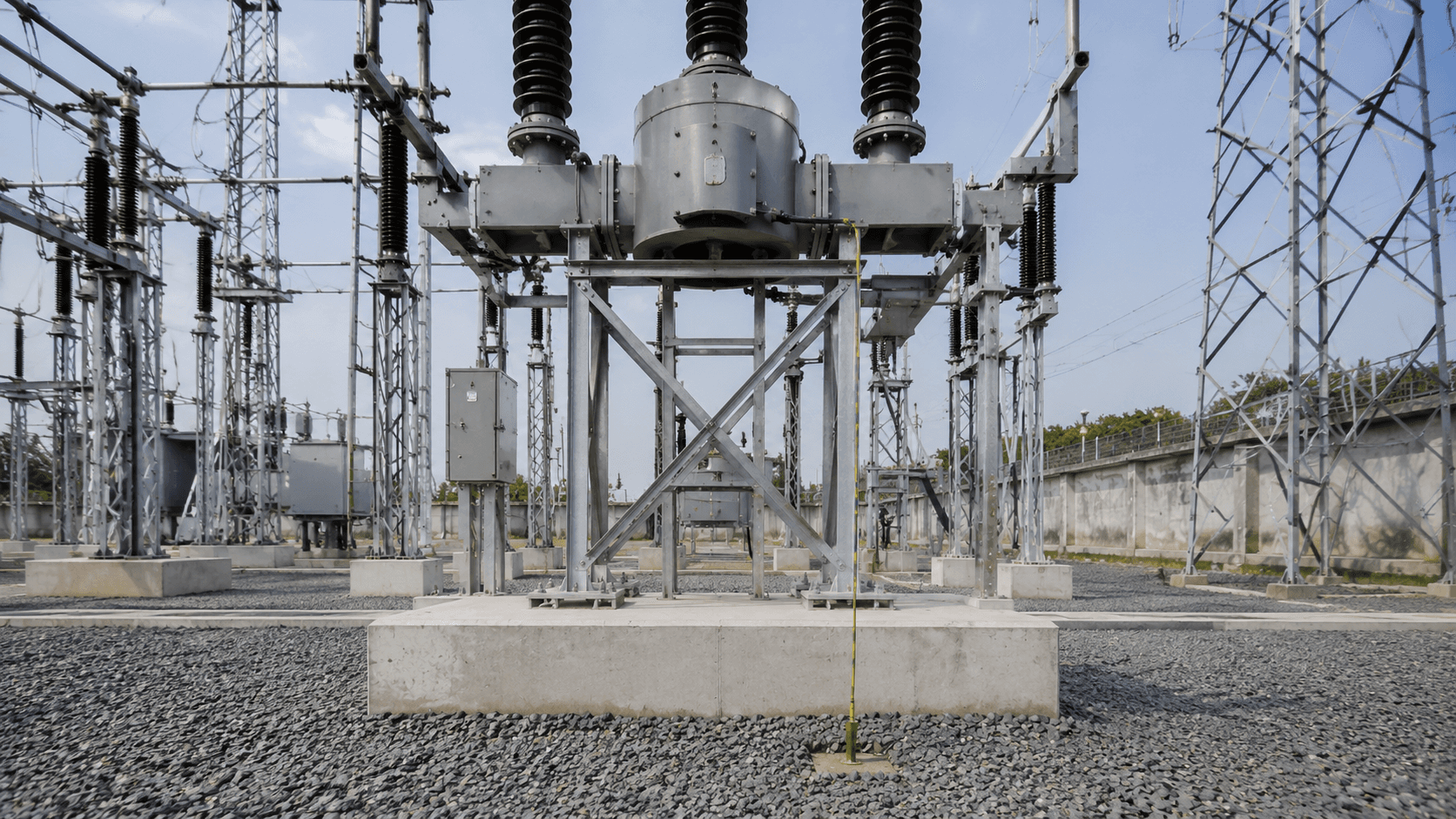
This is easy to confuse with phase-to-earth clearance, since both involve a live-to-earthed-structure measurement, but phase-to-ground specifically measures down to the foundation itself. One critical detail: for equipment like circuit breakers where interrupters sit at different heights, always measure from the lowest live terminal, not the highest. Calculating from the top terminal instead of the lowest one understates the actual clearance and is a common mistake.
For equipment without a clear upper or lower terminal, such as a lightning arrester, the terminal itself becomes the reference point, and the clearance is measured from there down to the foundation.
What is Safety Distance Vertical (Sectional Clearance)?
Safety distance vertical, also called sectional clearance, is the clearance from any live metal part to the working plane where personnel stand to carry out maintenance.
Substation equipment support structures are often tall enough that reaching the operating mechanism requires a maintenance platform. Safety distance vertical is measured from the lowest live terminal down to the height of that platform, ensuring the person standing there has enough separation from live parts to work safely. This clearance is what keeps a technician safe while operating on a breaker's mechanism at height.
What is Safety Distance Horizontal?
Safety distance horizontal is the clearance from the nearest live equipment to the edge of the equipment being worked on.
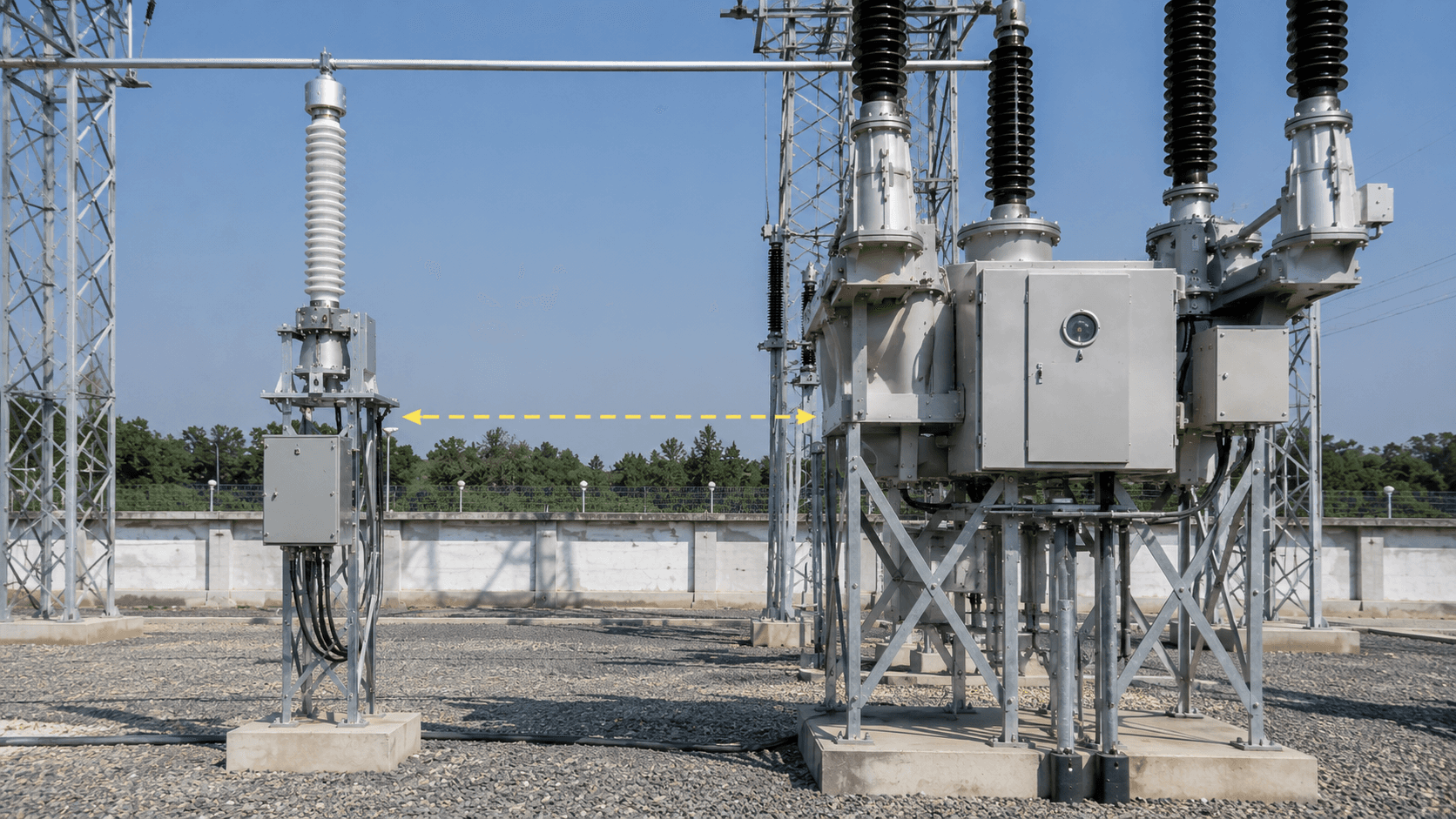
In a substation, equipment is placed close together, a circuit breaker next to a CVT, for instance, and safety distance horizontal ensures a person working on one piece of equipment has full protection from the next piece of live equipment nearby. It's measured from the live part of the neighboring equipment to the edge of the equipment under maintenance.
Why Do These Clearances Vary by Country?
These five clearances aren't fixed universal numbers because they're derived partly from each country's own testing and field experience, not a single global standard.
International standards like IEC define baseline values, but local regulatory bodies and utility guidance sheets in each country adjust them based on local conditions, environmental factors, and historical performance data. This is why the same voltage-class substation can have slightly different clearance requirements depending on where it's built. Anyone working as a substation design engineer needs to check both the international standard and the applicable local guideline before finalizing clearance dimensions.
FAQ
Why can't substation insulation just be tested with a test voltage?
Applying a full test voltage across live substation equipment in the field isn't practical or safe, so maintaining adequate physical air clearance is used instead to guarantee insulation strength.
Why is phase-to-ground clearance measured from the lowest live terminal?
Because the lowest live terminal represents the worst-case, shortest distance to ground. Measuring from a higher terminal would understate the real clearance and could result in an unsafe design.
How does gas-insulated switchgear affect phase-to-phase clearance?
Gas-insulated switchgear uses SF6 or a similar gas instead of air as the insulating medium, which allows much smaller physical clearances than an equivalent air-insulated substation.
Do electrical clearances increase with voltage level?
Yes. Higher voltage levels require larger clearances across all five categories, since the higher potential difference makes air insulation breakdown more likely at shorter distances.
Who needs to understand these five clearances most?
Substation design engineers rely on these clearances directly when laying out equipment, but anyone working on maintenance, commissioning, or safety planning in a substation benefits from understanding them too.
Conclusion
Phase-to-phase, phase-to-earth, phase-to-ground, safety distance vertical, and safety distance horizontal are the five clearances that keep an air-insulated substation both electrically reliable and safe to work in. Each one protects against a specific risk, insulation breakdown between phases, arcing to earthed structures, or inadequate safety margin for personnel, and all five scale with voltage level and vary by local standard.
Understanding these clearances is fundamental for anyone designing, commissioning, or maintaining a substation.
For the full visual walkthrough with real equipment examples, watch the complete video on the TheElectricalGuy YouTube channel.
Watch the Youtube Video

About Author
Gaurav Joshi
Gaurav started his career on the floor of the electrical industry — not in a classroom. Working across Siemens and Schneider Electric, he saw firsthand how wide the gap was between what colleges teach and what the industry actually needs.
So he did something about it.
Today, he's built a global community of 300,000+ engineers and professionals across YouTube and beyond — and TheElectricalGuy Academy is where that knowledge lives in its most structured, practical form.