
Partial discharge is a dangerous phenomenon in electrical systems. It develops slowly and often goes unnoticed. Over time, it can completely damage electrical equipment. If ignored, it can also pose serious safety risks.
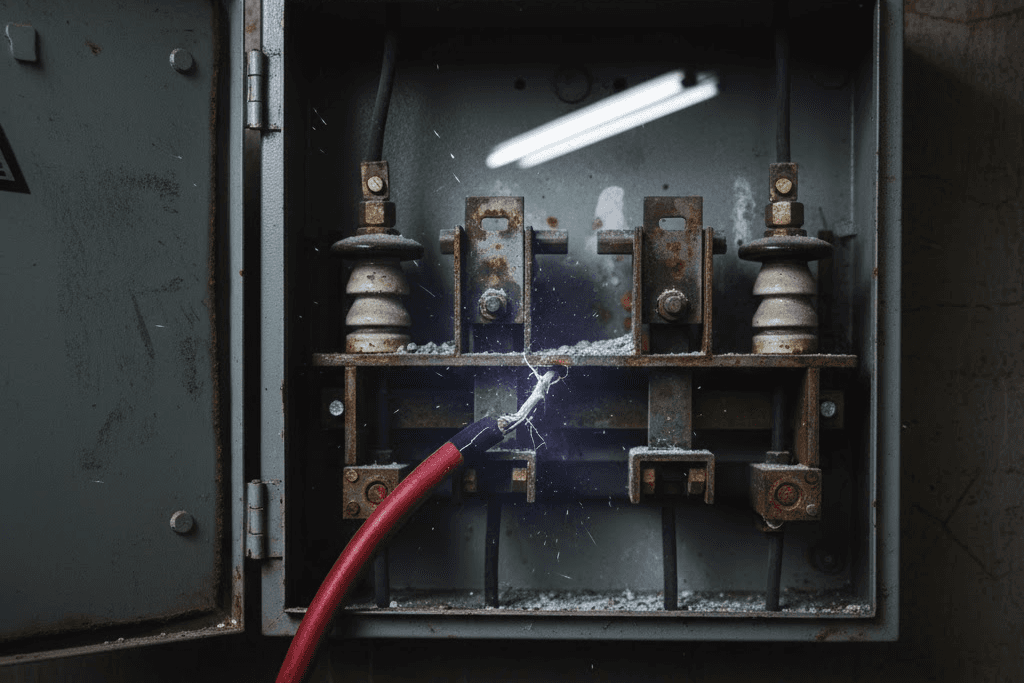
Understanding it early helps prevent equipment failure and costly breakdowns. To understand it clearly, it is best to start with a simple example.
Understanding Partial Discharge With a Simple Example
Imagine a pipe carrying water at high pressure. Under normal conditions, water flows evenly through the pipe. The pressure distributes uniformly, and the pipe remains stable.
Now consider that the pipe has aged or has a manufacturing defect. A small crack forms inside the pipe. Because of this crack, water finds an easier path to escape. Some water starts leaking through the weak spot. Since this path offers less resistance, more water flows through it over time.

Eventually, the water flow at this crack increases significantly. A discharge occurs at that specific location. This discharge does not happen across the entire pipe. It happens only at one part.
This same logic applies to electrical systems.
What Is Partial Discharge in Electrical Systems?
Now replace the pipe with a high-voltage cable carrying 40 kilovolts. Under normal conditions, electrical stress spreads evenly across the insulation. The insulation handles this stress without any issue.
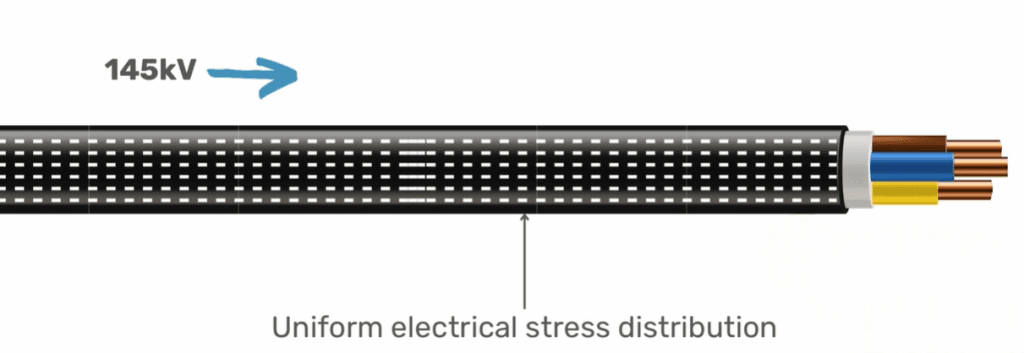
However, problems can develop inside the insulation. Manufacturing defects, ageing, or installation damage can create small weak areas. These weak areas are called voids. A void has lower dielectric strength than the surrounding insulation.
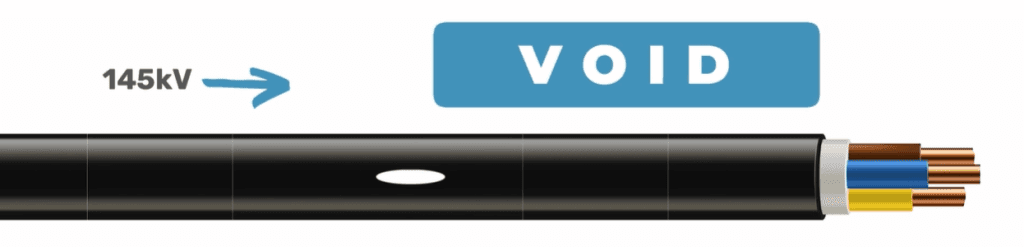
Because of this weakness, electrical stress concentrates at the void. The rest of the insulation remains stable. Over time, the stress exceeds the insulation strength at that spot. A breakdown occurs, and a small electrical discharge is released.
This discharge happens only at that specific location. It does not occur along the entire cable.
Why Partial Discharge Happens
It happens when electrical stress becomes higher than insulation strength. When insulation cannot sustain the stress, breakdown becomes inevitable.
This process starts slowly. At first, the discharge is small. If left unattended, it continues repeatedly. Each discharge weakens the insulation further. Over time, the damage spreads and leads to complete equipment failure.
Partial Discharge Explained Using Lightning
Lightning provides another simple comparison. When lightning strikes and reaches the ground, it is a full discharge. When lightning forms but does not reach the ground, it is a partial discharge.
In electrical equipment, the same principle applies. Only a small section of insulation breaks down, not the entire system.
Simple Definition of Partial Discharge
Partial discharge is an electrical discharge that occurs in a small area of insulation when it cannot withstand electrical stress. The breakdown remains local but grows more severe with time.
It is dangerous because it works silently. It does not cause immediate failure. Instead, it slowly damages insulation from within.
As the discharge continues, insulation strength keeps reducing. Heat and deterioration increase. Eventually, the equipment fails completely. In severe cases, it can also endanger people working nearby.
Early detection and maintenance are critical to prevent such outcomes.
Where Partial Discharge Can Occur
This phenomenon is not limited to a single type of equipment. It can appear across a wide voltage spectrum, beginning at around 3 kilovolts and extending up to 1100 kilovolts. Such a broad range highlights how commonly it can occur in high-voltage systems.
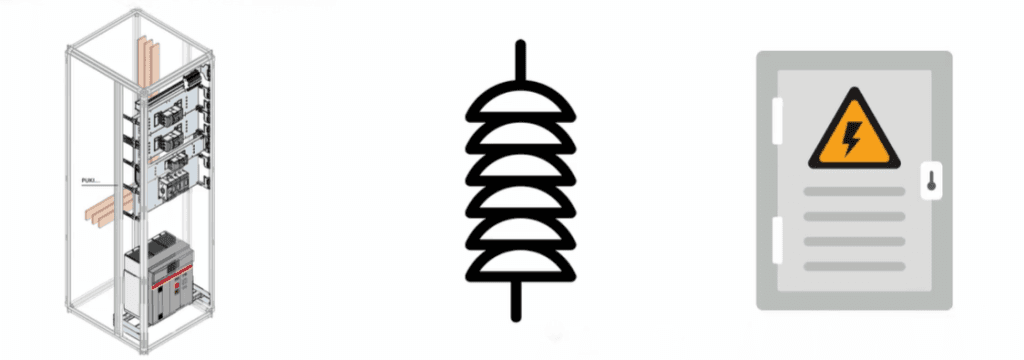
It commonly occurs in:
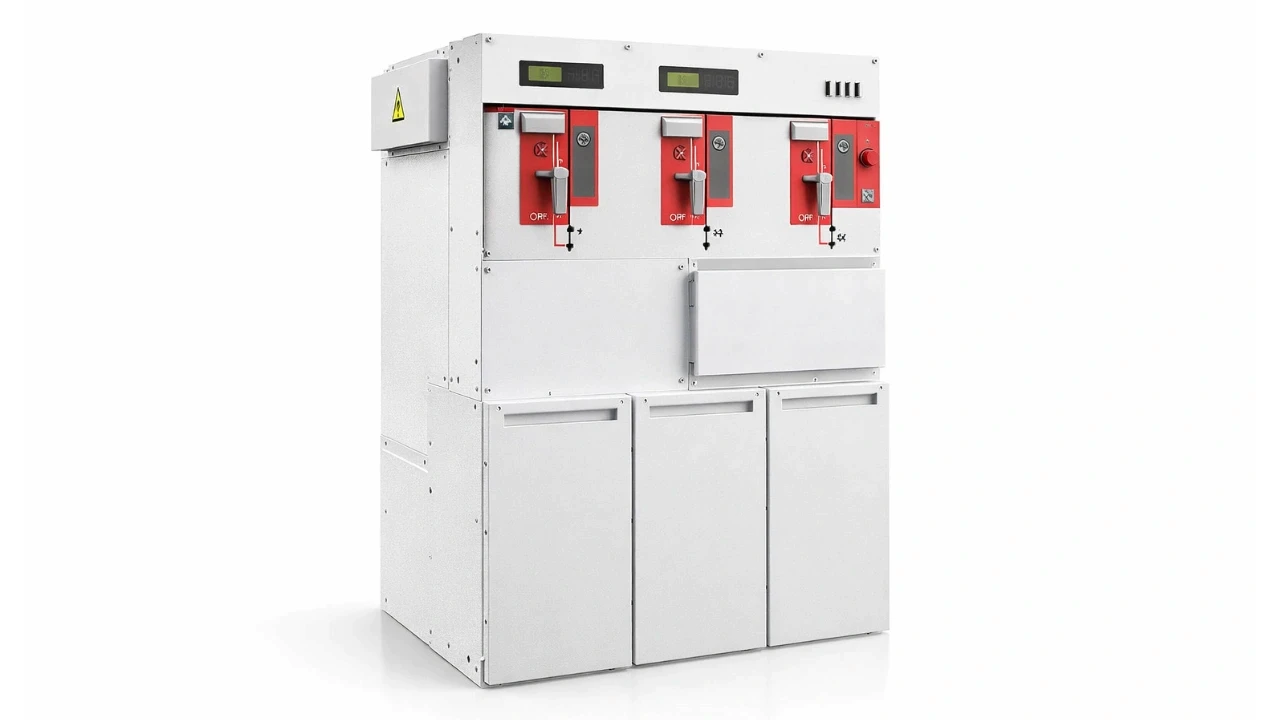
Indoor metal-clad switchgear
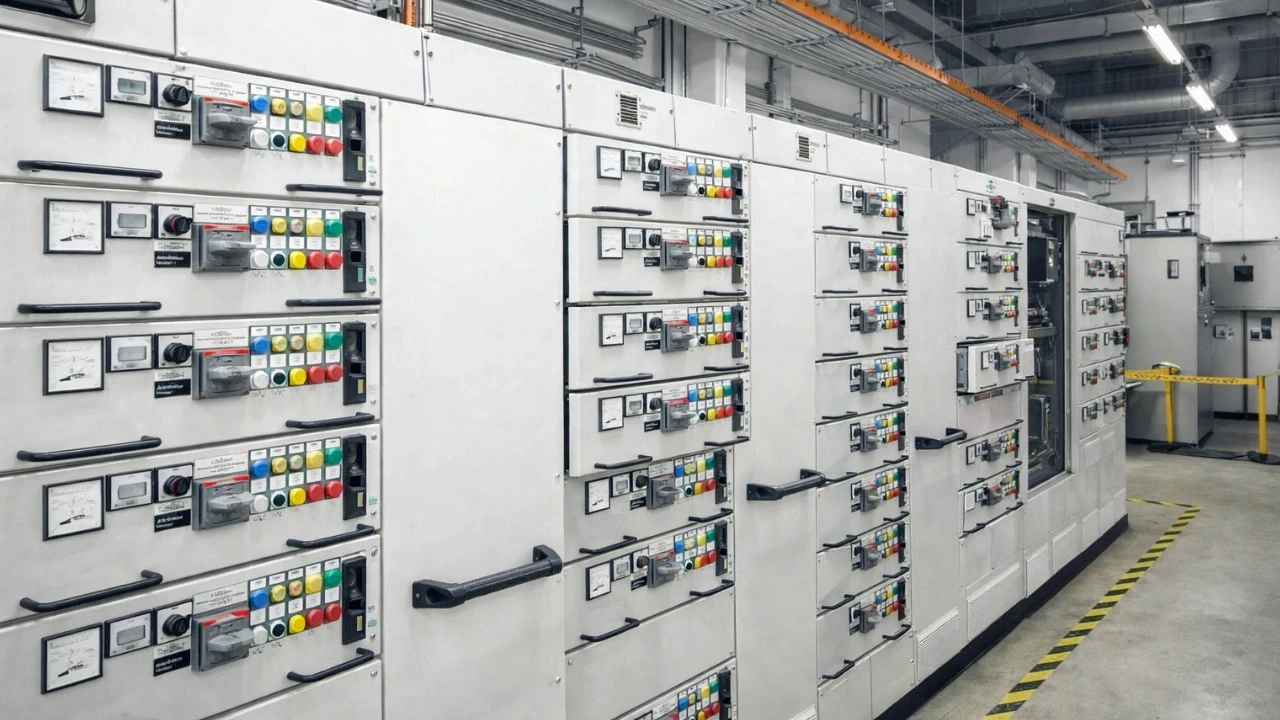
Low-voltage and medium-voltage systems
Indoor and outdoor insulators
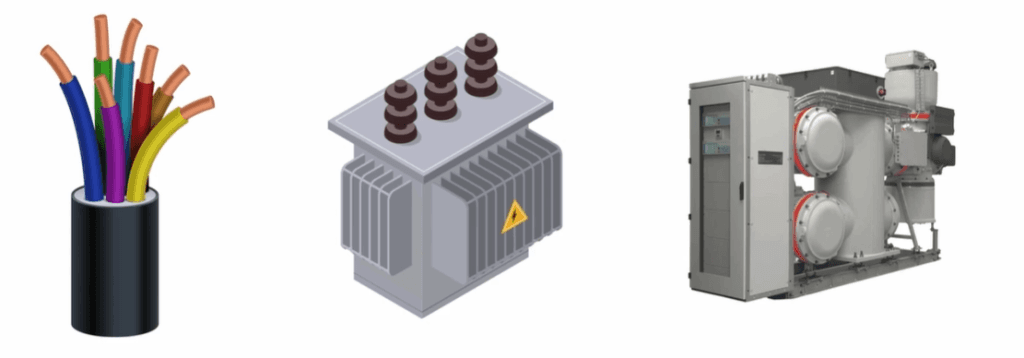
Cable boxes connected to transformers
Medium-voltage and high-voltage cables
Transformers
Gas insulated switchgear
Air insulated switchgear
Oil-filled electrical equipment
No electrical system is completely immune.
Causes of Partial Discharge
Each factor weakens insulation and increases electrical stress.
Common causes include:
Surface contamination from dust, dirt, or water droplets
Poor installation practices
Manufacturing defects such as internal voids or impurities
Ageing of insulation over time
Corrosive environments like coastal or industrial areas
Improper application of voltage-rated equipment
Mechanical damage during installation or maintenance
These issues often remain unnoticed until damage becomes severe.
Types of Partial Discharge
Each type behaves differently and carries its own risks.
Internal partial discharge is the most dangerous type. It occurs inside insulation and is difficult to detect. It usually starts due to internal voids or impurities. Since it remains hidden, damage progresses silently and becomes severe over time.
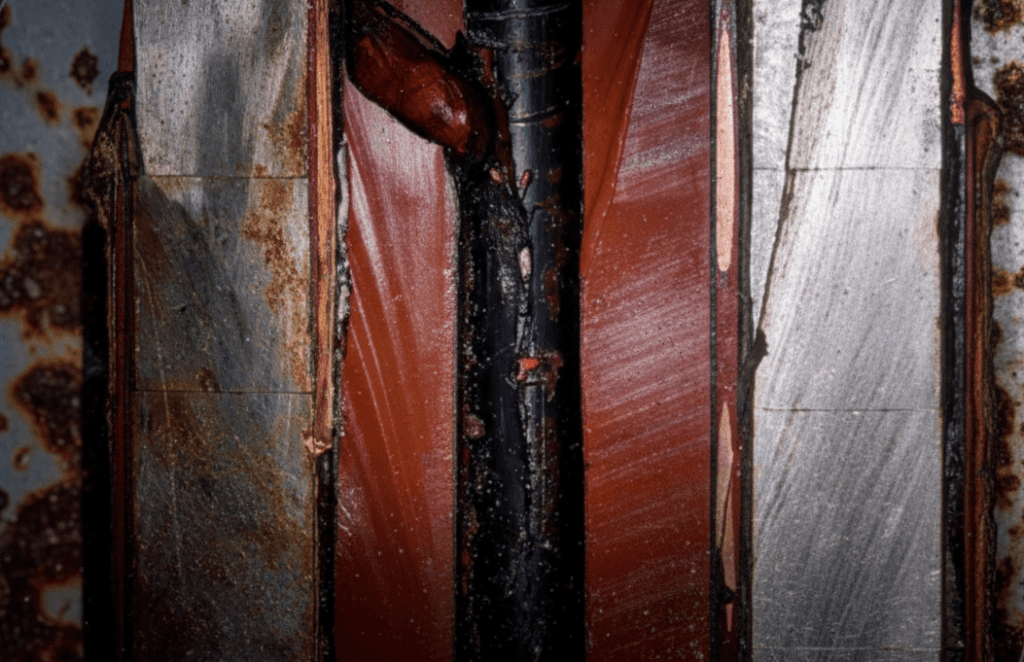
Surface partial discharge occurs on the insulation surface. Contamination and moisture trigger this type. It often creates visible branching patterns called electrical trees. While it is easier to see, it can still cause serious damage if ignored.

Corona discharge is commonly seen in high and extra-high voltage equipment. It appears as a violet glow, especially at night. A hissing sound often accompanies it.
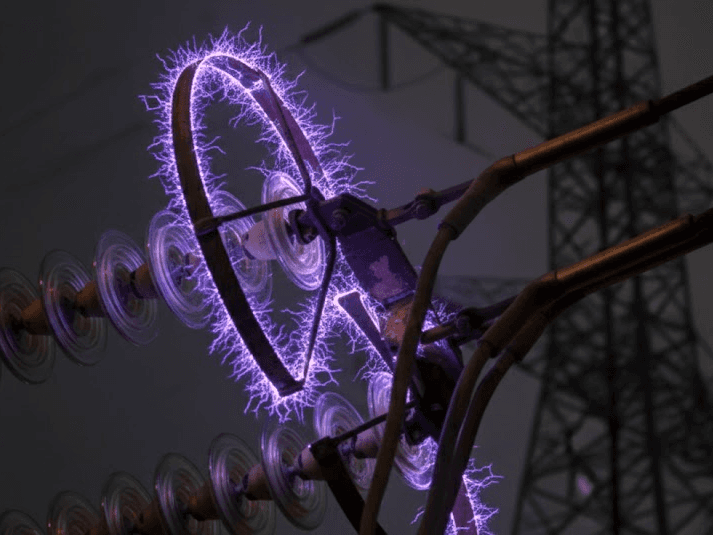
Corona occurs due to high electric fields around sharp edges. Although common, it is also a form of partial discharge. Corona rings help reduce this effect by smoothing the electric field.
Final Conclusion
Partial discharge is a serious electrical phenomenon. It starts small but has the potential to destroy equipment completely. From cables to transformers, no system is immune. Understanding its causes, behavior, and types is essential for reliable operation and safety.
For a clearer visual explanation and deeper understanding, it is strongly recommended to watch the complete video.
Watch the Youtube Video

About Author
Gaurav Joshi
Gaurav started his career on the floor of the electrical industry — not in a classroom. Working across Siemens and Schneider Electric, he saw firsthand how wide the gap was between what colleges teach and what the industry actually needs.
So he did something about it.
Today, he's built a global community of 300,000+ engineers and professionals across YouTube and beyond — and TheElectricalGuy Academy is where that knowledge lives in its most structured, practical form.