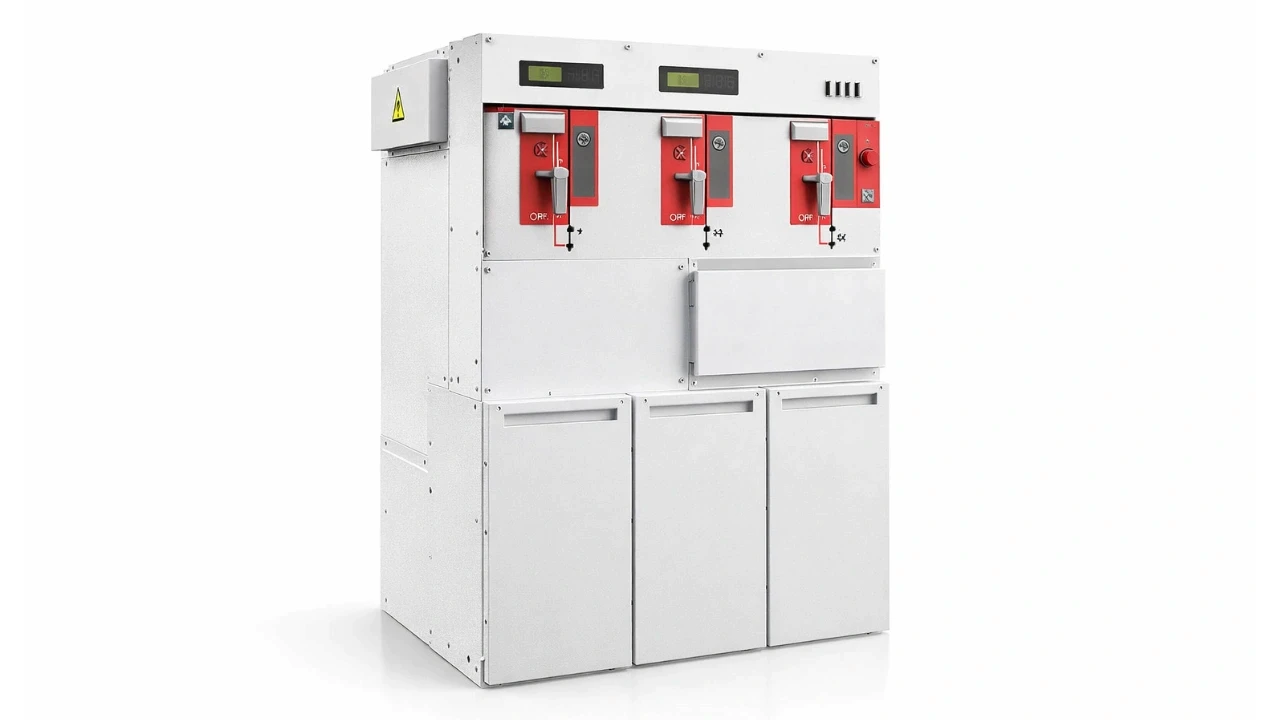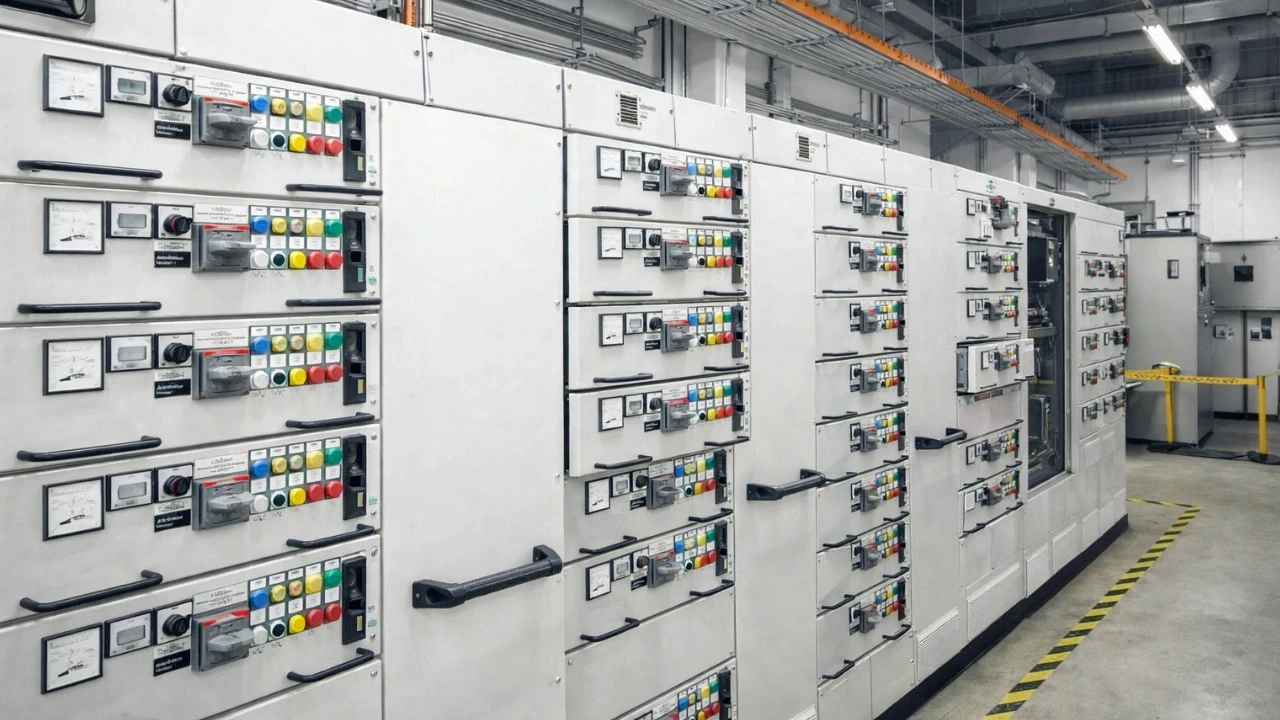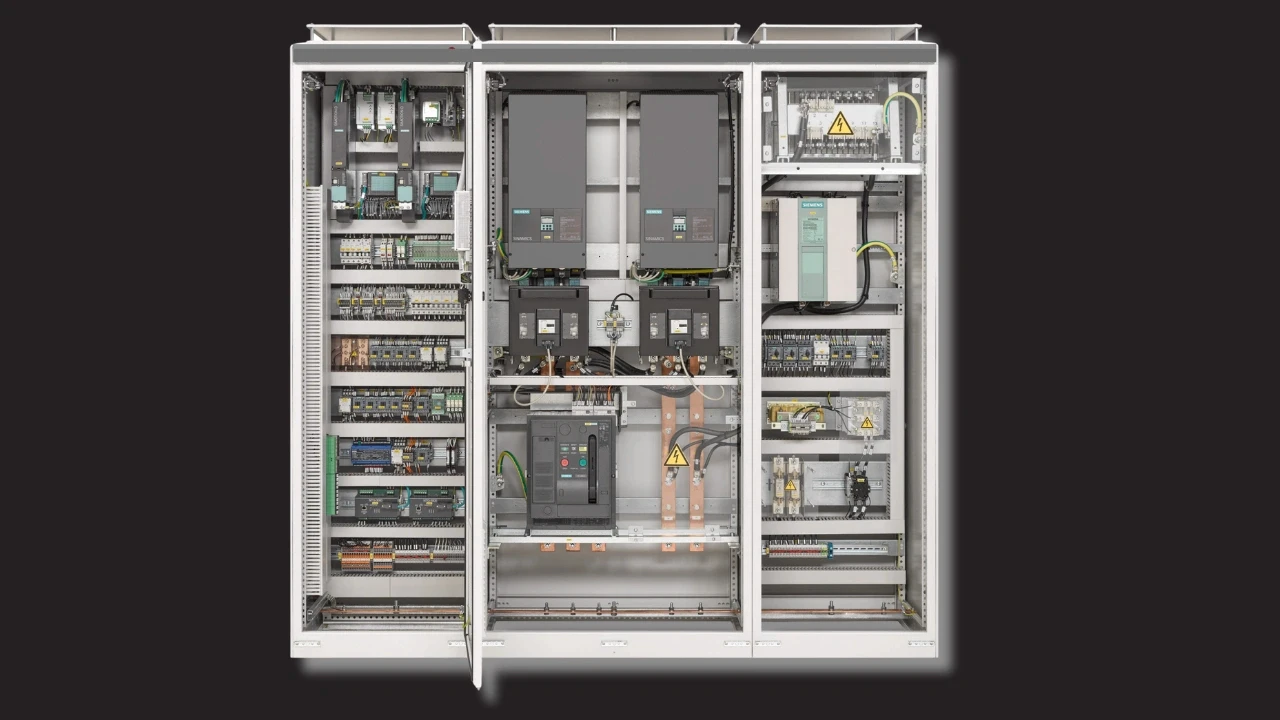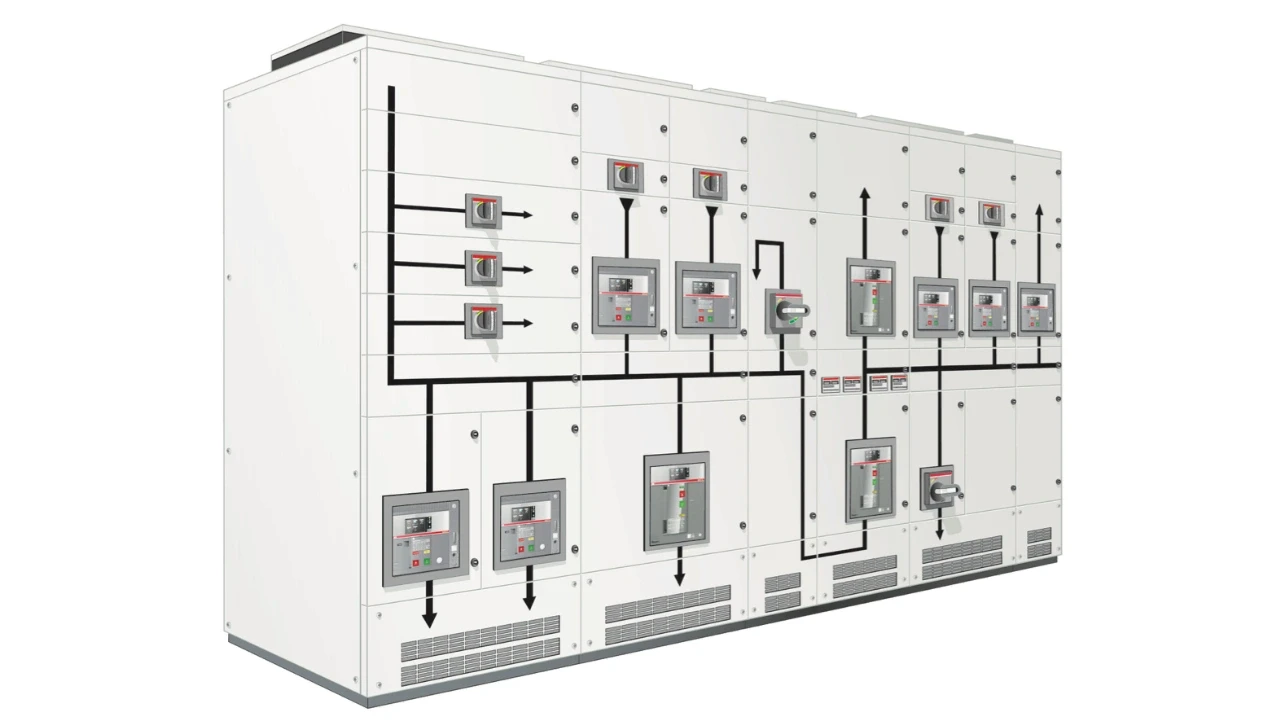
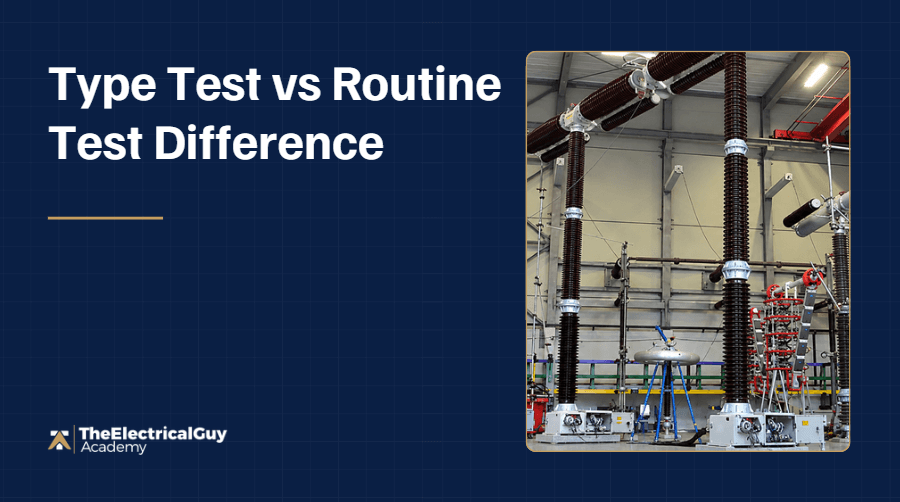
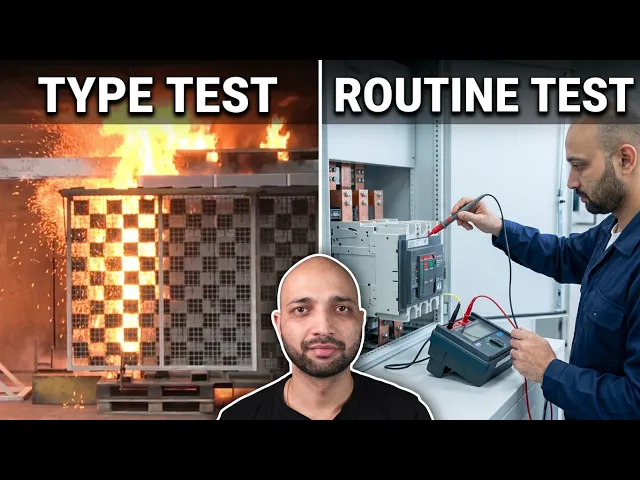
A type test validates a new product design, performed once at a certified third-party lab to prove the design meets its rated specifications, such as a transformer's fault current withstand rating. A routine test, by contrast, is performed on every single unit manufactured to check manufacturing quality, not design validity. Type tests are periodic and design-level; routine tests are continuous and unit-level.

Type and routine tests are a crucial part of validating electrical equipment, transformers, circuit breakers, instrument transformers, and more. This isn't about which specific tests are performed or how; it's about understanding why these two categories exist and what each one actually proves.
What is a Type Test?
A type test is a set of tests performed at a certified third-party lab to prove that a new or modified product design actually meets its rated specifications, giving both the manufacturer and the customer independent proof of that design's capability.
Imagine designing a transformer rated to carry 4,000A normal current and withstand 40 kA of fault current for 3 seconds. A manufacturer could test that design in their own lab, but a test performed by the manufacturer, in their own facility, with their own engineers, carries limited credibility as independent proof.
That's exactly why type tests must be performed at certified third-party labs; in India, examples include ERDA (Electrical Research and Development Association) and CPRI (Central Power Research Institute).
What Happens If a Product Fails Its Type Test?
If a design fails its type test, the manufacturer makes the necessary design changes and retests, and only the design that ultimately passes becomes the version approved for bulk production.
If a manufacturer had instead produced units directly from an untested prototype that turned out incapable of meeting its rated specification, say, that 40 kA fault withstand, the consequences could be serious. Once a design passes its type test, the test lab issues a formal report documenting the test performed, the standard followed, and the result, which the manufacturer can then present to customers as validation.
When is a Type Test Required?
A type test is required in three specific scenarios: when a genuinely new product design is developed, when a major modification is made to an existing design, or when a previously completed type test's validity period has expired.
New design — any newly developed product design must be validated through type testing before bulk production.
Major modification — for example, changing a circuit breaker's insulation medium from oil to SF6 counts as a major modification requiring a fresh type test. Or changing the busbar material from Copper to Aluminum.
Expired validity — type test approvals carry a defined validity period, commonly 5 or 10 years, set by regulatory bodies or customer requirements. Even with no design changes, the test must be repeated once that validity period lapses.
Type tests aren't performed on every unit manufactured, both because of significant cost and because some type tests are destructive, meaning the tested unit is damaged and unusable afterward. A full type test program also typically involves a series of tests, not just one or two.
What Type Tests Are Performed on a Circuit Breaker?
For a circuit breaker, standard type tests include dielectric tests, temperature rise tests, mechanical operation tests, and short-circuit current making and breaking tests, each defined by the applicable standard.

Dielectric test — checks insulating properties, including power frequency withstand, lightning impulse, and switching impulse tests.
Temperature rise test — verifies the product doesn't exceed acceptable temperature limits under normal operating conditions.
Mechanical operations test — checks for wear and tear across repeated mechanical operations.
Short-circuit current making and breaking test — verifies the breaker can both carry the rated short-circuit current for the defined duration and actually break that current.
Each test's specific procedure and passing criteria are defined by the relevant standard (e.g. IEC, IEEE), and results are documented in the formal type test report.
What is a Routine Test?
A routine test is performed on every single unit manufactured to verify manufacturing quality, not to validate the product design, and unlike many type tests, routine tests are non-destructive.
Since routine tests check each individual unit's build quality rather than proving the design's capability, they're performed continuously during regular manufacturing, not periodically like type tests. Manufacturers can issue a routine test report per unit, and customers are sometimes able to witness these tests directly.
What Routine Tests Are Performed on a Circuit Breaker?
For a circuit breaker, routine tests typically include a dielectric test, main circuit resistance measurement, design and visual checks, mechanical operation tests, and, for SF6-filled breakers, a gas leakage test.
Dielectric test — also performed as part of routine testing, in addition to type testing.
Main circuit resistance measurement — verifies the resistance of the main current-carrying path meets specification.
Design and visual check — confirms the physical build matches the approved design.
Mechanical operation test — a limited set of operations performed to verify build quality.
Gas leakage test — specific to SF6-filled breakers, verifying gas seal integrity.
Type Test vs Routine Test — Quick Comparison
Aspect | Type Test | Routine Test |
Purpose | Validates the product design | Checks manufacturing quality |
Performed on | One representative unit per design | Every single manufactured unit |
Performed where | Certified third-party lab | Manufacturer's facility |
Frequency | New design, major modification, or expired validity | Continuously, on every unit |
Destructive? | Some tests are destructive | Non-destructive |
Cost | Significant per test cycle | Built into regular production |
Output | Formal type test report, presentable to customers | Per-unit routine test report, sometimes customer-witnessed |
FAQ
Why can't a manufacturer perform type tests in their own lab?
A manufacturer testing its own product carries limited credibility as independent proof. Third-party certified labs, like ERDA or CPRI in India, provide the independent validation both manufacturers and customers can rely on.
Does every manufactured unit need to pass a type test?
No. Type tests validate the design itself, performed once (and periodically retested), not on every unit. Routine tests are what's performed on every single unit manufactured.
When does a product need to be retested with a new type test?
Three scenarios trigger a new type test: development of a genuinely new design, a major modification to an existing design, or expiration of a previous type test's validity period, typically 5 or 10 years.
Are type tests destructive?
Some are. Certain type tests damage the tested unit in the process, which is one reason type tests aren't performed on every manufactured unit, unlike non-destructive routine tests.
What's an example of a test performed both as a type test and a routine test?
The dielectric test is a good example; it's performed as part of both type testing and routine testing, though within different overall test programs and objectives.
Conclusion
Type tests and routine tests serve fundamentally different purposes. A type test proves a design meets its rated specification, performed once at a certified third-party lab and repeated only when the design changes significantly or its validity expires.
A routine test checks manufacturing quality on every single unit produced, ensuring consistent build quality across production. Understanding which test answers which question, is the design sound, or is this specific unit built correctly, is essential for evaluating any electrical equipment purchase.
For the full explanation with real examples, watch the complete video on the TheElectricalGuy YouTube channel.
Watch the Youtube Video

About Author
Gaurav Joshi
Gaurav started his career on the floor of the electrical industry — not in a classroom. Working across Siemens and Schneider Electric, he saw firsthand how wide the gap was between what colleges teach and what the industry actually needs.
So he did something about it.
Today, he's built a global community of 300,000+ engineers and professionals across YouTube and beyond — and TheElectricalGuy Academy is where that knowledge lives in its most structured, practical form.